Could osteopathy be the career for you?

Could osteopathy be the career for you?

image

What is an osteopath?

Osteopaths are allied health professionals who assess, diagnose and manage conditions affecting the muscles, joints and other parts of the musculoskeletal system.

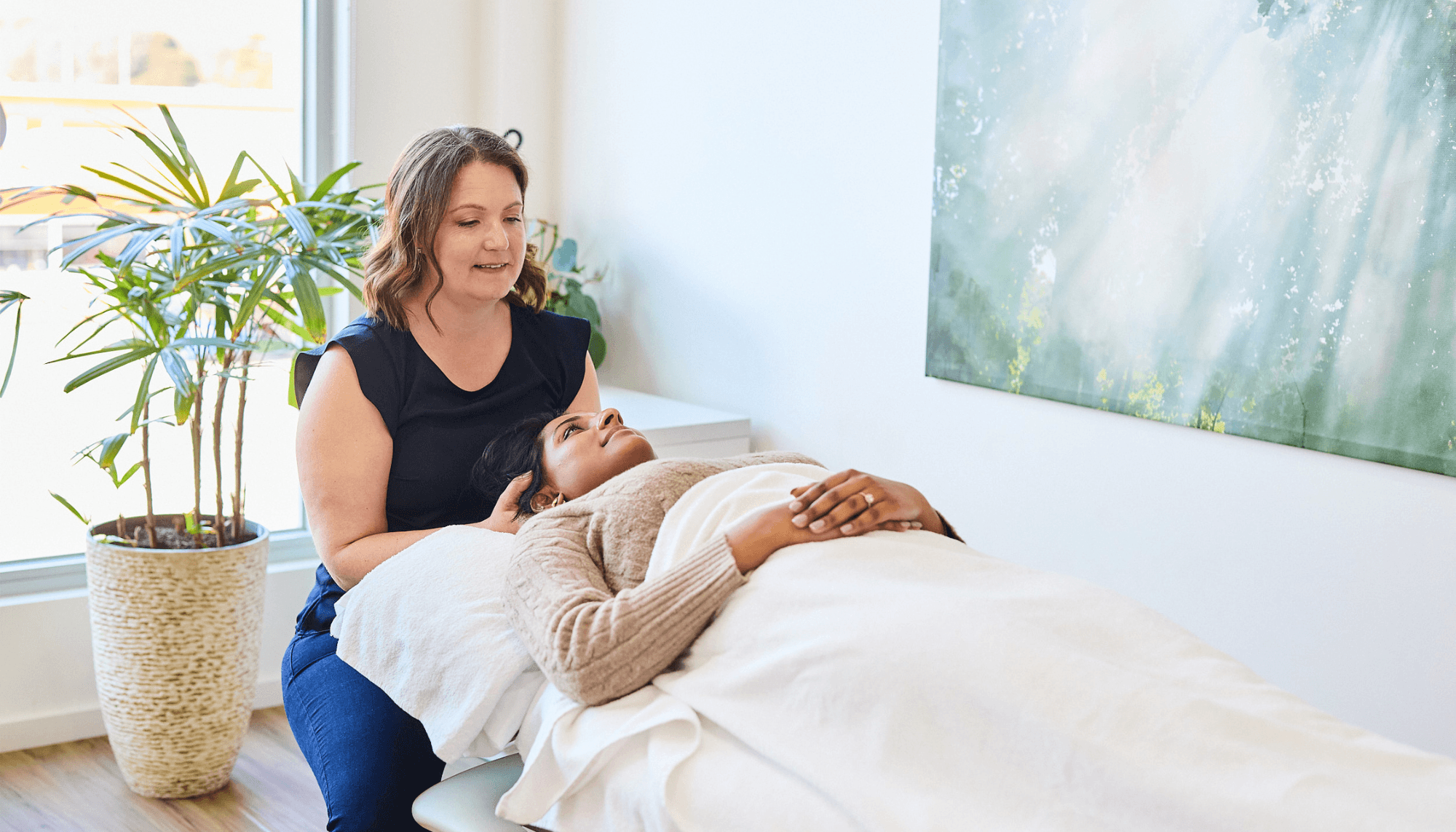
They take the time to understand what is happening for each patient, including their symptoms, health, lifestyle, and how their body functions.

Depending on the individual and their needs, an osteopath may use hands-on treatment, exercise and movement advice, education and other approaches as part of a management plan.

Osteopaths can also work alongside GPs, physiotherapists, exercise physiologists and other health professionals as part of a patient’s broader healthcare team.

Image care of: Whole Health Osteopathy Photography credit: Michelle Jarni Photography

image

What does an osteopath actually do?

If you become an osteopath, working with patients will involve much more than hands-on treatment.

You could spend your day:

  • talking with patients about their health and what has brought them to see you
  • assessing movement, muscles and joints
  • using your knowledge of anatomy and the human body to understand a patient’s condition
  • developing individual management plans
  • using hands-on techniques where clinically appropriate
  • providing advice about exercise, movement and self-management
  • tracking how patients are progressing
  • communicating with other health professionals involved in their care.

It is a career that combines scientific knowledge with practical skills and working with people. 

Image care of: Nudge Osteopathy photographer credit @zacdmedia

image

Could osteopathy be for you?

You don’t need to have your entire career mapped out while you’re at school.

But osteopathy might be worth exploring if you:

  • Are interested in science and health: You’d like to understand more about anatomy, physiology and how the human body works.
  • Enjoy working with people: Being an osteopath involves listening, communicating and building relationships with people from many different backgrounds.
  • Like solving problems: Every patient is different. Osteopaths gather information, assess what’s happening and use clinical reasoning to decide how best to manage each person.
  • Enjoy practical learning: Osteopathy combines academic study with practical clinical skills and hands-on learning.
  • Are a good communicator: Understanding someone’s concerns – and explaining health information clearly – is an important part of the job.
  • Want to keep learning: Healthcare doesn’t stand still. Osteopaths continue developing their knowledge and skills throughout their careers.
image

Where could osteopathy take you?

When you picture an osteopath, you might immediately think of someone working in a private clinic – and that’s one career path.

Osteopaths can work in their own practices or alongside other health professionals in multidisciplinary clinics. Some develop particular professional interests or move into other areas of healthcare.

An osteopathy qualification can also provide a foundation for opportunities in areas such as:

  • clinical practice
  • practice ownership and business
  • education and teaching
  • research
  • professional leadership and advocacy
  • other health-related roles.

Your career can develop and change as your interests and experience grow.

Image care of: Principle Four Osteopathy

image

How do you become an osteopath?

  1. Finish secondary school
  2. Study an accredited osteopathy program at university
  3. Develop your practical skills through supervised clinical training
  4. Graduate with your osteopathy qualification
  5. Apply for registration to practise as an osteopath in Australia
  6. Start your career

Osteopathy is a regulated health profession in Australia. To practise as an osteopath, you must meet the registration requirements of the Osteopathy Board of Australia.

image

What should I study at school?

If you’re considering osteopathy, an interest in science and health is a great place to start.

University entry requirements differ between courses and can change, so it’s important to check the current prerequisites and admission requirements for the university you’re considering.

If you’re choosing subjects for Years 11 and 12, talk to your school’s careers adviser and check the university course information early. This will help you understand which subjects and entry pathways may be relevant to you.

Tip: You don’t have to wait until Year 12 to start investigating your options. University open days are a great opportunity to explore health courses, meet students and academics and ask questions about studying osteopathy.

image

What will I learn at uni?

Studying osteopathy isn’t just about learning hands-on techniques.

Your university studies will build your understanding of the human body, health and clinical care and develop the practical and professional skills you’ll need to work with patients.

Your course may cover areas including:

  • anatomy and physiology
  • biomechanics and human movement
  • pathology and health conditions
  • clinical assessment and diagnosis
  • osteopathic clinical skills
  • pain and musculoskeletal health
  • exercise and rehabilitation
  • communication and patient care
  • evidence-informed healthcare
  • professional practice

You’ll also undertake supervised clinical training, giving you the opportunity to put what you’ve learned into practice.

image

Where can I study osteopathy?

Accredited osteopathy programs are currently offered by universities in Australia.

Currently, osteopathy is taught at:

Course structures, entry requirements and prerequisites can change. Always check directly with the university for the latest information.